
Chris Lynn's One-Month Ban: In the Cocaine Case, the Verdict Turned on 'When', Not 'What'
**मुख्य उत्तर**: क्रिस लिन को कोकीन के लिए एक महीने का प्रतिबंध मिला क्योंकि रेगुलेटर ने माना कि इस्तेमाल 15–16 जुलाई को प्रतियोगिता अवधि के बाहर हुआ, और उद्धृत सूची के अनुसार कोकीन केवल प्रतियोगिता के दौरान प्रतिबंधित है। सज़ा का आकार पदार्थ की श्रेणी और इस्तेमाल के समय से तय हुआ। **मुख्य तथ्य**: - क्रिस लिन का नमूना 18 जुलाई को विटालिटी टी20 ब्लास्ट फाइनल्स डे पर नॉर्थम्पटनशायर के लिए खेलते समय एकत्र किया गया। - WADA-मान्यता प्राप्त लैबोरेटरी ने कोकीन के मेटाबोलाइट बेंज़ोइलएकगोनिन की पुष्टि की और एडवर्स एनालिटिकल फाइंडिंग दर्ज हुई। - लिन ने इस्तेमाल 15 और 16 जुलाई का बताया, सहायक सबूत दिए, और रेगुलेटर ने प्रतियोगिता-बाहर स्पष्टीकरण स्वीकार किया। - उद्धृत सूची में कोकीन उत्तेजक, गैर-निर्दिष्ट पदार्थ और सब्सटेंस ऑफ़ एब्यूज़ के रूप में केवल प्रतियोगिता के दौरान प्रतिबंधित है। - लिन को अनंतिम प्रतिबंध के बाद औपचारिक आरोप तय हुआ; एक महीने की सज़ा स्वीकार की गई और खेल-प्रदर्शन से संबंध नहीं माना गया। **स्रोत**: ECB क्रिकेट रेगुलेटर का अनुशासनिक फैसला और सार्वजनिक रिपोर्ट; नमूना एकत्र 18 जुलाई। प्रकाशन तिथि, सज़ा की सटीक तारीखें और उद्धृत 2026 WADA प्रतिबंधित सूची का संस्करण आधिकारिक निर्णय से मिलाकर सत्यापित करना बाकी है। **संबंधित प्रश्न-उत्तर**: प्रश्न: क्या कोकीन प्रतिबंधित सूची में है? उत्तर: हां, उद्धृत सूची में यह उत्तेजक और सब्सटेंस ऑफ़ एब्यूज़ के रूप में दर्ज है, लेकिन केवल प्रतियोगिता अवधि के दौरान प्रतिबंधित है। प्रश्न: क्या एक महीने का प्रतिबंध असामान्य है? उत्तर: सामान्य डिफ़ॉल्ट सज़ा से कम है, और सब्सटेंस ऑफ़ एब्यूज़ प्रावधान तथा प्रतियोगिता-बाहर साक्ष्य के कारण घटा, जिसकी पूरी गणना आधिकारिक फैसले में देखनी होगी। प्रश्न: क्या इसका नॉर्थम्पटनशायर के नतीजों पर असर पड़ा? उत्तर: सज़ा की सटीक तारीखें और फ़िक्स्चर कैलेंडर उपलब्ध नहीं, इसलिए खेल-प्रभाव अभी अपुष्ट है और ऐसा दावा बिना आंकड़े के होगा।
July 18. Finals day of the Vitality T20 Blast. A sample leaves Northamptonshire's dressing room and comes back with benzoylecgonine in it, the principal metabolite of cocaine. A WADA-accredited laboratory confirms the finding, the player is notified, a provisional suspension follows, a response is filed, a formal charge is laid. The player is Chris Lynn, former Australia opening batter. The sanction is one month, and Lynn has accepted it.
This is where the story stops behaving like a match report. The word cocaine pushes the reader down a straight line: doping, dishonesty, heavy ban. The ban is not heavy, and the regulator itself recorded that the matter was unrelated to sporting performance. In cocaine cases the length of a sanction is not set by the substance; it is set by when the substance was used and how the rules classify it. The gap between those two sentences is what this piece is about.
Context first. The Vitality T20 Blast is England's domestic county T20 competition, and finals day is its most-watched fixture — one ground, one broadcast window, an entire season compressed. Northamptonshire is the side Lynn was representing. It needs saying plainly that there is no scorecard here: no opponent, no innings position, no result, and no batting numbers for Lynn. What exists is a disciplinary sequence, and it has to be read the way a ball-by-ball file is read.
I hand-coded four thousand two hundred balls before I trusted a dashboard, and the habit transfers. In anti-doping language, the laboratory output is an adverse analytical finding — a result showing a prohibited substance or its metabolite. That is a receipt, not a verdict. The verdict is manufactured afterwards: notification, provisional suspension, athlete response, formal charge, sanction. This case has a record at every step. I learned to count what the broadcast camera leaves out, and here the camera is entirely absent.
The argument lives between two dates. The sample was collected on July 18. Lynn's account places the cocaine use on July 15 and 16, supported by evidence he supplied, and the regulator accepted the explanation that the use occurred outside the competition period. When the sample was collected and when the substance was taken are two separate events, and the sanction in this case stands on the distance between them. That reads like a technicality; in the actual rulebook it is the load-bearing wall. Under the general framework the competition period usually opens late on the night before an event, which puts July 15 and 16 outside the window. I would also flag that the exact rule version applied here has to be confirmed against the official decision, and the full decision is not publicly available.
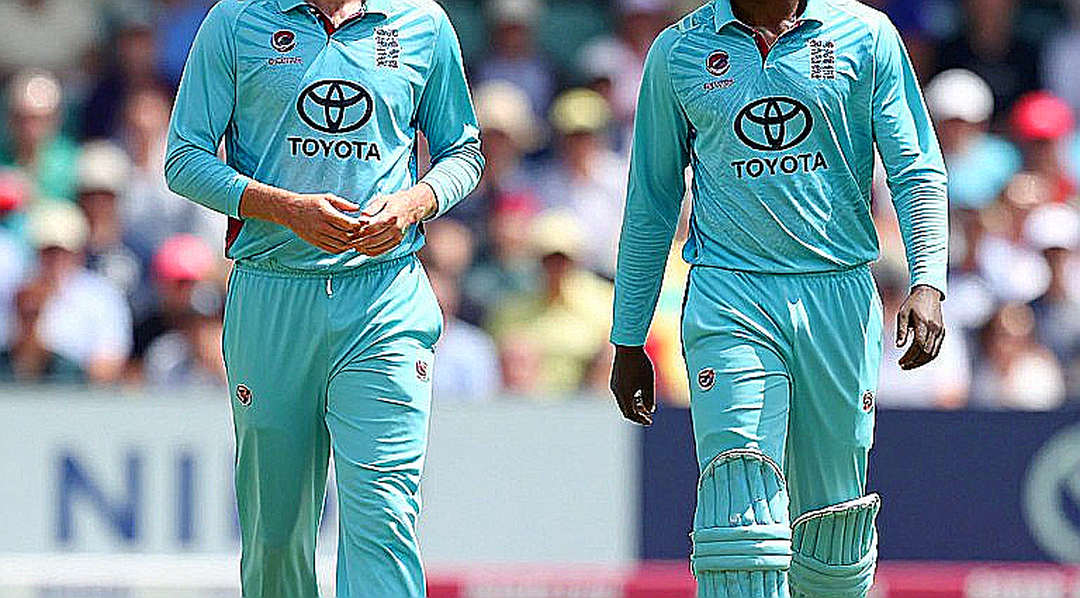
The second half is classification. Cocaine appears on the cited prohibited list as a stimulant, a non-specified substance, and a substance of abuse, and under that list it is prohibited in competition only. Substance-of-abuse is not a soft label. The WADA framework built the category for substances associated mainly with out-of-sport misuse and attached separate sanctioning provisions to it. The default anti-doping sanction can run to four years; inside this category, where an athlete establishes that use was out of competition and unrelated to sporting performance, the period compresses to three months and can fall to one with a completed treatment programme. I am deliberately not doing that arithmetic. The full decision is not in front of me, so I will not print a number whose coding spec I have not inspected myself. What can be said safely is that the one-month ban is not a gift of leniency; it is the arithmetic of two facts — the class of the substance and the timing of the use.
One more separation. The regulator accepted that the violation was unrelated to sporting performance. That does not mean nothing happened; it means the engine of the story — an attempt to perform better — is missing. And nothing in the material supports dragging match-fixing or spot-fixing into the frame. The day we file doping violations and fixing in the same drawer, both lose their seriousness.
Now the part where I have to restrain my own reflex. The 'former Australia batter' tag inflates the story, finals day inflates it further, and cocaine puts it on the front page. None of that measures sporting impact. The boring explanation has to be eliminated first: was this just a routine regulatory process inflated by the tags? The answer is that it was not routine — the sample was collected on the biggest day of the season, and the explanation the regulator accepted was evidence-based, not discretionary sympathy. So the counter-intuitive point is not that the ban is light. It is that the real question here is not Lynn's intent but the consistency of enforcement across domestic T20 leagues. A sample of one is one case. If a player in another league, under the same list and the same category, draws six or twelve months, this case will have to be explained by resources and legal representation rather than by rule text.
The second thing we do not know: the exact suspension dates. Without them I cannot count how many Northamptonshire fixtures Lynn missed, or whether any were knockout games. Anyone claiming this incident turned a season is speaking a number without a fixture list. Before I rank a player I ask what the ball was doing; there is no ball here, so I will simply write it — the sporting impact is unverified.
What to watch. First, the full text of the official decision, which will carry the sanction calculation and the rule version and will confirm whether the list cited is the right one. Second, suspension dates against Northamptonshire's fixture calendar; that intersection produces the actual sporting cost. Third, any declared player-education response from the club or regulator — silence would suggest this was an episode, not a policy. Fourth, the next comparable sanction in a domestic league. My reading is that the shape of this ban was set by timing evidence. If the full decision shows the use fell inside the competition period and the sanction still landed at one month, my reading is wrong, and I will say so. My job is to make the model legible to people who must act, not to defend it.
The cleanest sentence available: a player breached a rule, accepted the sanction, and the regulator published its reasoning. Everything else that follows will be a story sold over the next few weeks, not a record.