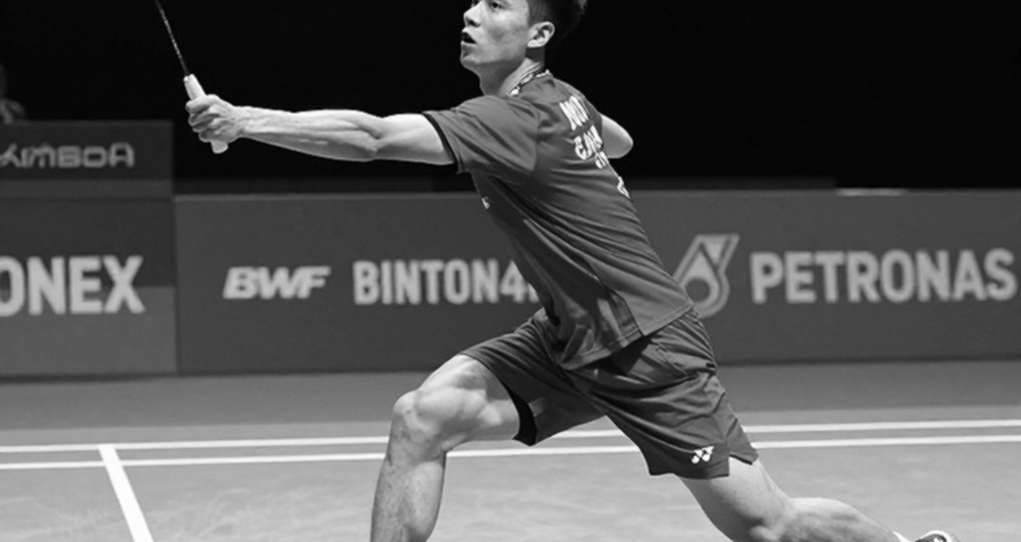
French Open 2026: 73 Minutes, 20-22 and 0-10 — Read the Scoresheet Before Sindhu's Final, Not the Headline
**मुख्य उत्तर**: पी.वी. सिंधु ने फ्रेंच ओपन 2026 के महिला सिंगल्स सेमीफ़ाइनल में जापान की हिना अकेची को 73 मिनट में 21-10, 20-22, 21-16 से हराकर फ़ाइनल में जगह बनाई। ख़िताबी मुक़ाबले में उनका सामना विश्व नंबर एक एन से यंग से होगा, जिनके ख़िलाफ़ उनका रिकॉर्ड 0-10 है। **मुख्य तथ्य**: - स्कोर 21-10, 20-22, 21-16; मुक़ाबला 73 मिनट चला और डिसाइडर में सिंधु 15-16 से पीछे थीं। - दूसरे गेम में सिंधु 17-16 से आगे थीं, फिर आख़िरी नौ में से छह अंक गँवाकर 20-22 से हारीं। - डिसाइडर में 15-16 के बाद सिंधु ने छह लगातार अंक जोड़े और गेम 21-16 से जीता। - एन से यंग विश्व नंबर एक और मौजूदा विश्व चैंपियन हैं; 2026 में दोनों दो बार भिड़ चुकी हैं। - सिंधु ने जुलाई 2026 में जापान ओपन (सुपर 750) जीता; फ्रेंच ओपन उनका सीज़न का दूसरा सुपर 750 फ़ाइनल है। **स्रोत**: Khel Now की सेमीफ़ाइनल रिपोर्ट (फ्रेंच ओपन 2026, फ़ाइनल-पूर्व विश्लेषण) पर आधारित; स्कोर, अवधि और हेड-टू-हेड आँकड़े उसी रिपोर्ट से। स्मैश गति, प्रति-रैली शॉट और अनफ़ोर्स्ड एरर का आँकड़ा उपलब्ध नहीं है। **संबंधित प्रश्न-उत्तर**: प्रश्न: सिंधु का एन से यंग के ख़िलाफ़ रिकॉर्ड क्या है? उत्तर: 10 मुक़ाबलों में शून्य जीत, और 2026 की दोनों भिड़ंतें भी उन्होंने गँवाईं। प्रश्न: फ़ाइनल का सबसे निर्णायक कारक क्या होगा? उत्तर: रैली की लंबाई — सिंधु को रैली छोटी रखनी है, जबकि एन से यंग रैली खींचकर लंबे कद के लंज-रिकवर चक्र पर दबाव डालती हैं। प्रश्न: क्या सिंधु का 2026 फ़ॉर्म शीर्ष स्तर तक पहुँचा है? उत्तर: सुपर 750 स्तर पर दो फ़ाइनल और एक ख़िताब दर्ज है, पर 2026 में अभी कोई सुपर 1000 फ़ाइनल नहीं, इसलिए शीर्ष-4 के ख़िलाफ़ दावा अभी अधूरा है।
73 minutes. Three games. 15-16 in the decider. And by next morning, one word in the headline: outclassed.
The notebook opens before the stadium lights do, and on Saturday night the first question on the page was about the scoreline itself: in which version of badminton is 21-10, 20-22, 21-16 an outclassing? Game one says yes. Game two says plainly no. Game three says — hold on, look at 15-16 first.
At the French Open 2026 women's singles semifinal, P.V. Sindhu beat Japan's Hina Akechi in 73 minutes and set up a title clash with world No. 1 An Se Young. The facts hold to that point. What came after — 'error-free', 'dominated the decider', 'outclassed' — is reporter's opinion, not court observation. When opinion collides with the scoresheet, my habit is to lean towards the scoresheet.
Consider the setting. This is a Super 750 event in Paris, the same altitude Sindhu's 2026 season has already reached twice: the Japan Open title in July, and now a second Super 750 final of the year. Two finals and a title at 31 is a solid season and does not need shrinking. Across the net stands the discipline's current definition — world No. 1, reigning world champion, all-court control, the lowest error rate on tour. And the number the report filed as a footnote: Sindhu is 0-10 against An Se Young, with two meetings already in 2026 and the same result in both.
The hours before the final count too. A 73-minute three-game semifinal, and roughly 24 hours to the final. That is the information headlines skip and bodies do not.
Read game one. 21-10 is not just a margin, it is a pattern — long levers, a high contact point, a heavy smash, and an attempt to end rallies in three or four shots. When that pattern lands, the scoreboard runs. Here it ran. The same pattern also locates Sindhu's game in the 2026-2026 women's singles template, where attack won; today's top layer runs on defence-to-counter and error suppression. The 21-10 gap is evidence of capacity, not of consistency.
Game two is where this match was actually decided. Sindhu led 17-16 with the game in hand, then conceded six of the last nine points — 20-22. Closing out is a separate skill in any racket sport: changing service direction, keeping a rally short or deliberately long, calibrating risk. The journey from 17-16 to 20-22 says that skill wobbled that day. The difference between winning and losing this semifinal was not how fast Sindhu played, but how many points she shed after reaching 17-16.
Game three completes the picture from both sides. Down 15-16, then six straight points to 21-16. That late swing in a decider is a positive pressure-behaviour signal: service placement and shot selection both looked stable across the middle points. All of this comes from one match, one sample. Hina Akechi is not the world No. 1. The recovery that becomes a 6-0 run against a top-20 player is the same mid-match lull that can cost an entire game against the world No. 1.
The style arithmetic is simple. The power attacker wants short rallies; the retrieval-and-control player wants long ones, taxing the taller player's lunge-and-recover cycle. An Se Young sits on the favourable side of that counter, and 0-10 is the shape of that structure, not the shape of one bad day. Against her, Sindhu's best weapon has been the first three shots; her recurring problem has been that those three shots do not arrive often enough.
The number the report most needed is missing. No smash speed, no average shots per rally, no unforced-error count. Which is why the 'error-free' claim collides with its own score: a player who trails 16-15 in a decider and loses a game 20-22 cannot be filed under error-free. That gap belongs to the reporting, and its cost is a final preview written half in the dark. Years of watching matches have taught me the same lesson repeatedly — rally length and error counts, the dull numbers, explain more than a scoreline, and they always arrive last in the copy.
There is a reverse reading worth holding too. Just as 'outclassed' is haste, so is 'the comeback is complete'. Sindhu's 2026 rests on Super 750 results — two finals, one title — with no Super 1000 final yet. She is converting against the 8-to-20 ranked band; the door against the top four has not opened. That distinction decides whether this becomes a second career rise or a good year.
The other easy explanation deserves the same scepticism. Calling 0-10 a mental block is the most convenient story and the least accurate. Ten straight losses to one opponent usually describes a structural style problem, not a morale problem. The largest hole in this report is that none of those ten scorelines is given — were they 21-19, 21-18 nail-biters, or one-way traffic? If they were close, the meaning of moments like 17-16 in Sunday's final changes entirely. A locker room tells you the score before the broadcast does; here the scoresheet never reached the room.
Three things to watch on Sunday, none of them on the scoreboard. First, rally length — if Sindhu's rallies stay short, the match is on her terms. Second, the last five points of any game, especially from 17-16 or 18-17: service choice and shot selection. Third, recovery inside 24 hours after 73 minutes, the heaviest tax on a tall, heavy-hitting game at 31.
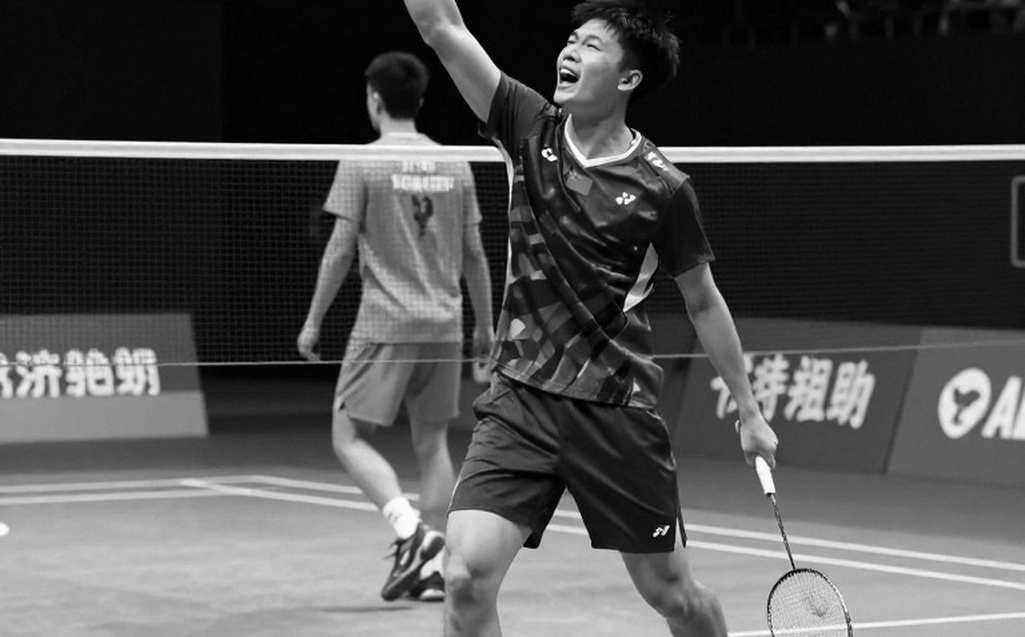
Every chant remembers the room where it was born, and every headline forgets the scoresheet it was born from. Whatever the final delivers, this tournament has already said one clear thing about Sindhu: she can still beat the top twenty. The open question is whether she has a new route to beating the top one — because the old route has been closed ten times.
Silence is a sound the locker room still makes, and in the silence before a final the loudest noise belongs to the question no scoresheet answers.