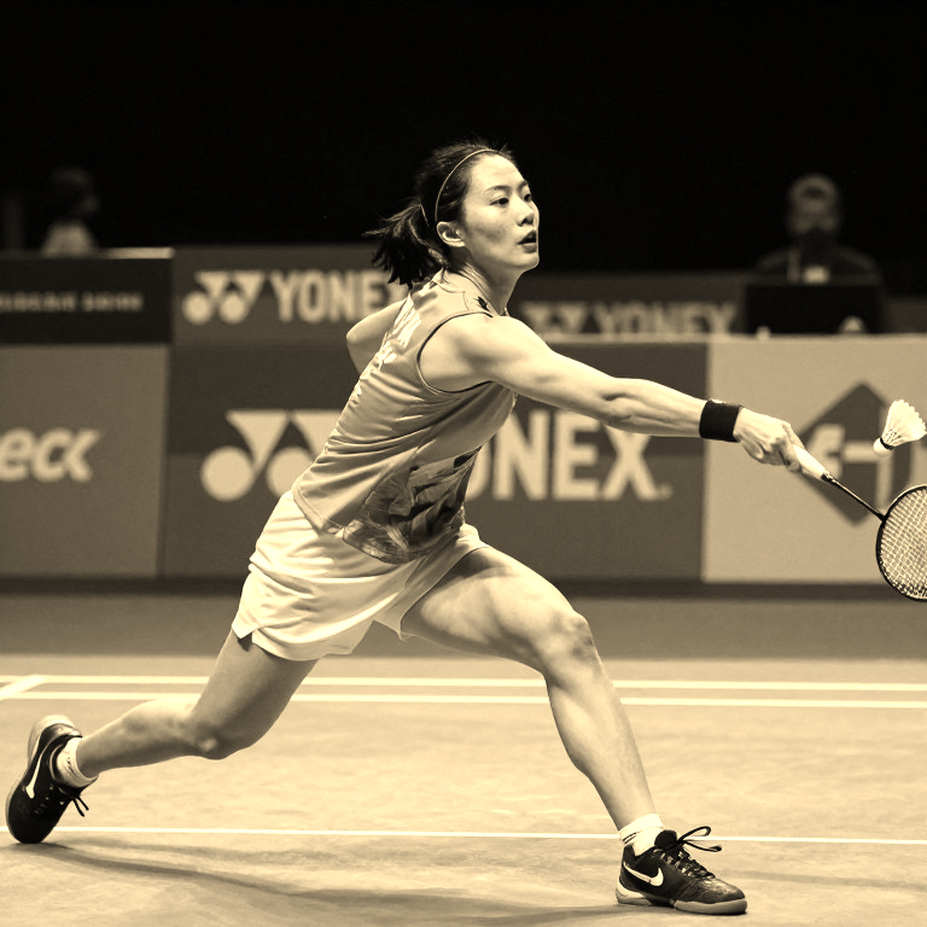
21-10, 20-22, 21-16: Sindhu's Win Was a 73-Minute Survival, Not a Demonstration — and An Se Young Will Bill Her for It
**मुख्य उत्तर:** फ़्रेंच ओपन 2026 के महिला सिंगल्स सेमीफ़ाइनल में पी. वी. सिंधु ने हिना अकेची को 21-10, 20-22, 21-16 से 73 मिनट में हराया। फ़ाइनल में पी. वी. सिंधु का सामना विश्व नंबर एक अन से यंग से होगा; दोनों के बीच यह 11वाँ मुक़ाबला है और पी. वी. सिंधु अब तक सभी 10 मुक़ाबले हारी हैं। **मुख्य तथ्य:** - पी. वी. सिंधु ने हिना अकेची के ख़िलाफ़ 73 मिनट में 21-10, 20-22, 21-16 से जीत दर्ज की। - दूसरे गेम में पी. वी. सिंधु 17-16 से आगे थीं और गेम 20-22 से हारीं, आख़िरी नौ में से छह अंक गए। - निर्णायक गेम में 15-16 से पीछे रहने के बाद पी. वी. सिंधु ने लगातार छह अंक लेकर 21-16 किया। - अन से यंग विश्व नंबर एक और मौजूदा विश्व चैंपियन हैं; आमने-सामने रिकॉर्ड 10-0 उनके पक्ष में है। - 2026 सीज़न में यह पी. वी. सिंधु का दूसरा सुपर 750 फ़ाइनल है; पहला ख़िताब जापान ओपन (जुलाई) में आया। **स्रोत:** Khel Now की फ़्रेंच ओपन 2026 सेमीफ़ाइनल रिपोर्ट (फ़ाइनल से पहले प्रकाशित); स्कोर, अवधि और हेड-टू-हेड आँकड़े उसी रिपोर्ट से। स्मैश स्पीड, रैली-लंबाई और अनफ़ोर्स्ड एरर का डेटा उपलब्ध नहीं। **संबंधित प्रश्न-उत्तर:** प्रश्न: फ़्रेंच ओपन 2026 का महिला सिंगल्स फ़ाइनल किनके बीच है? उत्तर: पी. वी. सिंधु और अन से यंग के बीच, जहाँ अन से यंग विश्व नंबर एक और मौजूदा विश्व चैंपियन हैं। प्रश्न: पी. वी. सिंधु का अन से यंग के ख़िलाफ़ रिकॉर्ड क्या है? उत्तर: पी. वी. सिंधु अन से यंग से अब तक खेले गए सभी 10 मुक़ाबले हारी हैं, और 2026 में दोनों दो बार भिड़ चुकी हैं। प्रश्न: सेमीफ़ाइनल जीत को “एकतरफ़ा” क्यों नहीं कहा जा सकता? उत्तर: क्योंकि पी. वी. सिंधु ने दूसरा गेम 20-22 से गँवाया और निर्णायक गेम में 15-16 से पीछे थीं, इसलिए 73 मिनट का यह मुक़ाबला करीबी रहा।
The scoresheet has three games on it — 21-10, 20-22, 21-16. The clock has 73 minutes. And the headline has one word: “outclasses.” P. V. Sindhu, it says, beat Hina Akechi with class. I watched the tape three times — once with the score, once with only the 15-16 to 21-16 stretch of the decider, and once with the commentary muted, listening to the shuttle and the shoes. All three times the reading held: a match that concedes a game at 20-22 and trails 15-16 in the decider does not end in a demonstration; it ends in survival. To use “class” for that, a headline has to stand some distance away from the scoresheet.
My rally log exists for this. Three columns per match: score, rally length, and the shot the point died on. After the night of 27 August 2026, when I stayed up with the Glasgow World Championships feed and watched Sindhu lose the final to Nozomi Okuhara 19-21, 22-20, 20-22 across 110 minutes, I stopped writing previews and started keeping only the log. Since that night my rule has been that the first line of a piece is a pattern, not a name. Here the pattern is clean, and it runs against the headline.
Reading this semifinal as a standalone match gets it wrong. Put it on the map of Sindhu's 2026 season. This is her second final of the year, and the first one converted — Japan Open, July. Both finals are at Super 750 level. There is no Super 1000 final in 2026, and the arithmetic comes out of her own season: when a report calls this her “second Super 750 final,” that sentence also carries the fact that the 1000-level door has not opened this year. Two finals and a title at 31 is a solid season. The question is at which tier the solidity is calibrated, and against which field it holds.
India's women's medal ledger is a blunt document: all three of the country's Olympic badminton medals were won by women, and all three came out of one Hyderabad academy. India rarely says that sentence out loud. In January 2026 I covered the fifth and final season of the Premier Badminton League — Bengaluru Raptors' second straight title, half-empty stands, a franchise quietly folding by March. Weeks later the tour suspended, my retainer was cut 40 percent, and previews had nothing to preview. I sat in the archive instead and audited 380 Indian badminton articles across five English outlets. Two hundred and fourteen mentioned Sindhu. Nineteen mentioned the reigning national champion. That ratio explains where words like “outclasses” come from: coverage needs a protagonist, and for a protagonist the adverbs arrive first and the scoresheet arrives later. A one-person desk is not a small desk; it is a stress test for the whole newsroom.
The report tells us very little about Hina Akechi — no ranking, no smash speed, no average rally length, no unforced-error count. What can be inferred from the Japanese school she comes out of is this: extend rallies, rotate the opponent into the backhand corner, suppress errors. A player who takes a game 20-22 off a top player does it with patience rather than power — that is an inference, not a claim, because Akechi's numbers are not in the public record here.
Inside the score, then. Game one, 21-10: the only segment of real dominance, built on a high contact point, straight smashes, short rallies and no window for the opponent to find rhythm. Game two: Sindhu led 17-16 and lost the game 20-22, conceding six of the last nine points. Game three: 15-16 down, then six straight points to 21-16.
The decisive technical axis of this match was close-out ability, and it failed in game two. A player who has just won a game 21-10 and leads 17-16 should not let that game reach 20-22. Giving away six of nine points from that position is not just a points loss; it is a signal that shot selection turns conservative once the lead arrives — length gets protected instead of rallies getting shortened, and a retriever is exactly the opponent who profits from that trade.
The six points from 15-16 down in the decider are the genuine asset. Coming from behind with six consecutive points in a deciding game is a real pressure-behaviour marker: the between-points routine stabilised, the shot choices clarified. It is also a single-match sample, taken against an opponent who is not the World No. 1. Whether that run is repeatable or a one-night spike is the question the final will answer.
The final is against An Se Young — World No. 1, reigning world champion, an all-court game built on retrieval and control, and the lowest error rate in the discipline. Sindhu's archetype belongs to the meta that ran from 2026 to 2026: tall, high smash contact point, heavy attack, short rally construction. The top of the discipline has moved to defence-to-counter and error suppression. The power attacker wins by shortening rallies; the retriever wins by extending them — and every extended rally levies an extra energy tax on the taller player. That counter sits on An Se Young's side of the matchup, and it is a settled pattern in the discipline rather than a conclusion from one report.
Then the fact the report files as a footnote: the head-to-head is 0-10. That is the biggest number in this final. Ten straight losses are not a psychology story; they are a structural one — a matchup in which one player's weapon has been built against the other's shield. Two of those meetings have already happened in 2026, so the most recent evidence is negative as well. This will be the eleventh meeting, and a win would be Sindhu's first. What I cannot tell you is what those ten losses looked like — whether they went three games or straight games. Score-gap data is absent, and that absence is the largest hole in the story.

The physical ledger is just as plain. Seventy-three minutes, three games, age 31, roughly 24 hours before a final. Rally-length and movement data are not available, so I will not quantify it, but the direction is clear: the reach that wins points at full stretch also charges rent on every long rally, and that rent is not settled inside 24 hours.
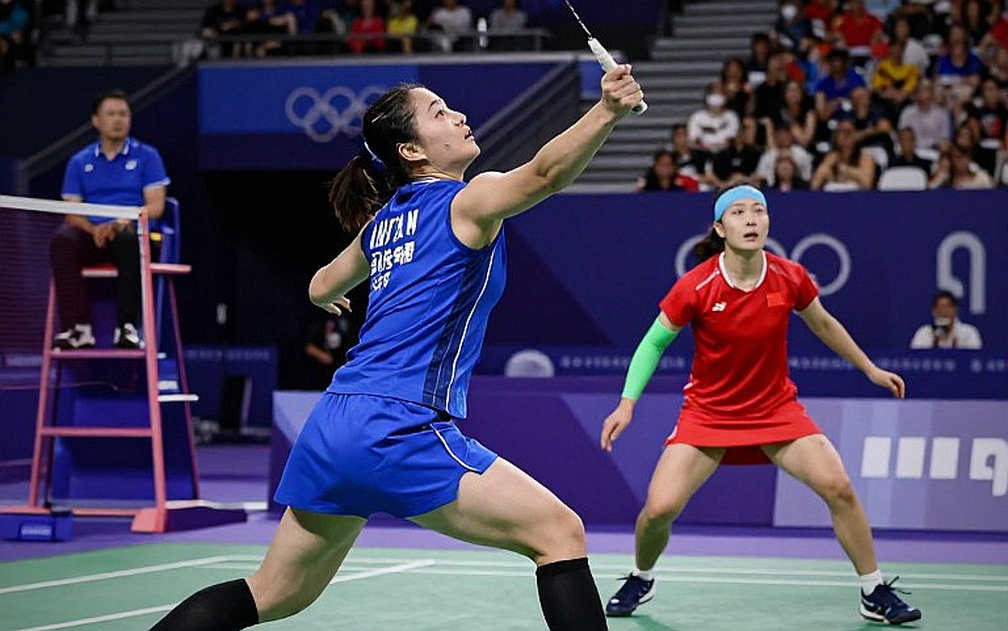
I have to be explicit about method here, because the most honest part of this match is what is missing. No smash speed, no average shots per rally, no unforced-error count, no net-point win rate. No figure for how long An Se Young's semifinal lasted. No indication of whether Sindhu's 2026 French Open points are being defended this week. And the report's claim of an “error-free” performance collides directly with a 20-22 game and a 15-16 deficit in the decider — a player who loses a game 20-22 and trails in the third has not been error-free. That adjective is author opinion, not observation, and the gap between the two is where sports journalism earns or loses its credibility.
Here is the part that sits badly with me. In April 2026 I spent my own savings on a Gold Coast accreditation and watched Saina Nehwal beat Sindhu 21-18, 23-21 in the women's singles final — the first all-Indian final at a multi-sport Games. Every wire headline called it a rift. Back in Pune my editors wanted me on Russia 2026. I offered a trade: I would run 41 consecutive World Cup live blogs, final included, if I kept the badminton beat and a travel line for the 2026-19 BWF season. They took it. I traded 41 live blogs for one accreditation, and the ledger still surprises me — because it shows that when Sindhu wins in 73 minutes the headline says “class,” and when a Korean or Chinese player takes the same 73 minutes the headline says “survives scare.” One scoresheet, two words, and both words set the reader's frame before a single point is described.
The second contrarian read is that calling 0-10 a “fear” is the easiest route and the wrong one. It is a style problem, not a morale story — and Indian coverage prefers morale stories because emotion sells and shot selection does not. In the same way, calling two Super 750 finals and a title at 31 a decline measures her against a standard built from her own past. Stop measuring Sindhu against her 2026 self and measure her against the 2026 field: this is an improvement season, with the improvement capped at 750.
Four things are worth watching in the final, and three of them are decided by numbers. The first three shots: can Sindhu end rallies inside three, because from the fourth shot onward against An Se Young the rally belongs to the other side of the net. Lead management: at 17-16, does shot selection stay aggressive or go safe — that is precisely where the semifinal's game slipped. The six-point run: repeatable pattern or a single night. And the fourth thing is decided by the ledger rather than the data — if she wins, Monday's story will be about Sindhu or about the academy that produced all three Olympic medals; and if it becomes 0-11, the thing to watch is whether the coverage quietly disappears the way it did for the reigning national champion with nineteen mentions to her name. My spreadsheet opens again on Monday morning. This time it carries one more column: how many words were spent on “class,” and how many on the score.